

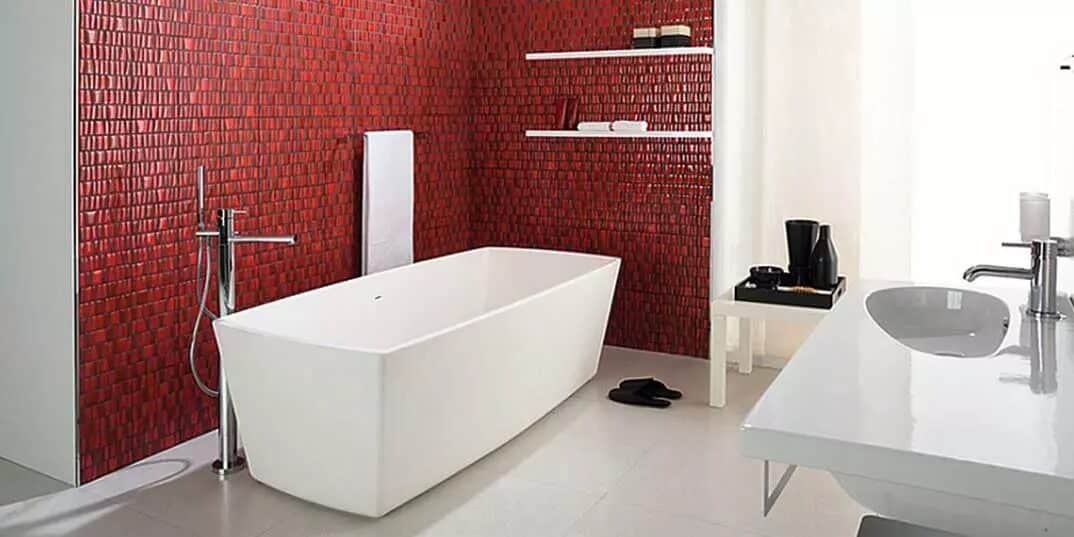
Dirty grout and stained tiles result from soap scum, hard water minerals, and mould – all fixable with the correct method and products.
UK households use an average of 142 litres of water per person daily (Environment Agency, 2023), making bathroom tile surfaces prone to limescale, mould, and soap film. Without regular cleaning, grout – a porous, cement-based material – absorbs bacteria within 24–48 hours of moisture exposure (Public Health England, 2020).
What Products Work Best on Bathroom Tiles and Grout?
The best products depend on tile material: acid-based cleaners suit ceramic and porcelain; alkaline or pH-neutral solutions suit natural stone.
Standard ceramic and porcelain tiles – compliant with BS EN ISO 10545 – tolerate diluted white vinegar (5% acetic acid) or phosphoric acid-based descalers. Natural stone tiles, including marble, travertine, and limestone, require a pH-neutral cleaner (pH 6–8). Acidic products permanently etch these surfaces.
Tile Cleaning Product Comparison Matrix
| Tile Type | Recommended Cleaner | pH Range | Avoid |
| Ceramic / Porcelain | Phosphoric acid descaler | 2–4 | Bleach on coloured grout |
| Natural Stone | pH-neutral stone cleaner | 6–8 | Vinegar, citric acid |
| Mosaic Glass | Mild washing-up liquid | 6–7 | Abrasive scrubbing pads |
| Encaustic Cement | Impregnating cleaner | 6–8 | All acid-based products |
How to Clean Ceramic and Porcelain Bathroom Tiles

Spray, soak for 5 minutes, scrub with a non-abrasive pad, then rinse — four steps that remove up to 95% of surface contamination.
• Spray the tile surface with a diluted white vinegar solution (1:1 ratio with water).
• Allow 5 minutes dwell time to break down limescale deposits (CaCO₃).
• Scrub with a microfibre cloth or nylon pad – never steel wool, which scratches glazed surfaces.
• Rinse with warm water and buff dry immediately to prevent water spotting.
UK water hardness in South East England exceeds 200 mg/L (Thames Water, 2024). Calcium carbonate deposits form visibly within days on untreated tile surfaces.
How to Clean Grout Lines Without Damaging Tiles
A bicarbonate of soda paste applied with a stiff brush removes surface mould and soap scum from grout lines within 10–15 minutes.
Grout lines in a standard UK bathroom installation are typically 6–10 mm wide and 8–15 mm deep (per BS 5385-1:2018). Their porous structure absorbs moisture, soap residue, and mould spores rapidly.
Standard Grout Cleaning Method
• Mix 3 tablespoons of bicarbonate of soda with 1 tablespoon of 3% hydrogen peroxide into a paste.
• Apply directly to grout lines using an old toothbrush or a 5–6 mm grout brush.
• Allow 10 minutes contact time before scrubbing.
• Scrub along the grout line – not across tiles – to avoid spreading residue onto tile faces.
• Rinse thoroughly with clean water and dry with a cloth.
When to Use Commercial Grout Cleaners
Heavy black mould (Cladosporium or Aspergillus species) requires a dedicated fungicidal product. Products must be registered under UK Biocidal Products Regulation (BPR). HG Grout Cleaner and Lithofin KF Cement Remover are two commercially available, BPR-compliant UK products.
How to Seal Grout After Cleaning
Applying a grout sealer after deep cleaning prevents moisture and stains from penetrating the grout surface for 12–24 months.
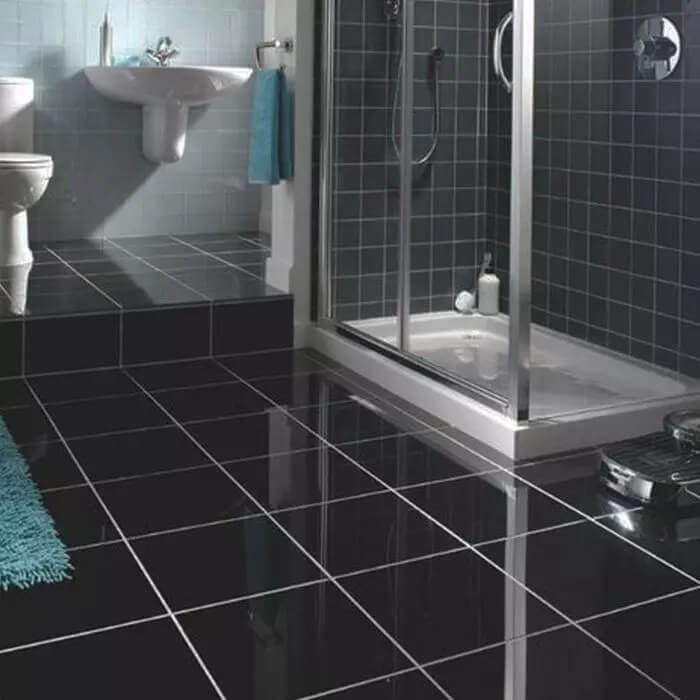
Unsealed grout absorbs up to 40% of its own volume in water (British Ceramic Tile Technical Data, 2022). Sealing is the most impactful preventive maintenance step in any bathroom.
• Ensure grout is fully dry – a minimum of 24 hours after cleaning.
• Apply a penetrating impregnator sealer (e.g., Aqua Mix Sealer’s Choice Gold) using a foam brush along each grout line.
• Allow 15 minutes, then wipe off any excess with a clean cloth.
• Apply a second coat after 30 minutes for maximum protection.
• Avoid all water contact for 24 hours post-application.
Sealers tested to EN 1348 provide measurable protection against water ingress. Reapply annually in high-traffic bathrooms, and every two years in lower-use settings.
How Often Should You Clean Bathroom Tiles and Grout?
Weekly surface cleaning and monthly grout treatment prevent permanent staining and mould growth in most UK bathrooms.
Mould growth begins within 24–48 hours on wet grout surfaces at temperatures above 15°C (Public Health England, 2020). A regular cleaning schedule breaks this cycle before staining becomes permanent.
Common Tile Cleaning Mistakes to Avoid
Using the wrong pH cleaner for your tile type causes permanent surface damage that no amount of scrubbing will reverse.
• Do not apply neat bleach to coloured or epoxy grout – it strips pigment irreversibly.
• Do not use abrasive powder cleaners on polished porcelain; micro-abrasion dulls the gloss permanently.
• Do not mix vinegar with bicarbonate of soda – the acid-base reaction neutralises both agents immediately, reducing efficacy to near zero.
• Do not use a steam cleaner above 120°C on adhesive-bonded mosaic tiles; heat weakens tile adhesive bonds (per BS 5385-3:2014 thermal cycling guidance).
• Do not scrub natural stone with stiff brushes rated above medium hardness – surface scratching on honed finishes is irreversible without professional restoration.
Quick Reference: Tile and Grout Cleaning Decision Matrix
| Problem | Tile Type | Recommended Action |
| White limescale | Ceramic / Porcelain | Diluted white vinegar or phosphoric acid cleaner |
| Surface mould (light) | All tile types | Bicarbonate of soda + hydrogen peroxide paste |
| Deep black mould | Grout lines | Fungicidal BPR-registered gel cleaner |
| Yellowed grout | Cement-based grout | Oxygen bleach (sodium percarbonate) solution |
| Etched stone surface | Natural stone | Professional restoration – do not DIY |
| Recurring staining | Any tile type | Apply penetrating impregnator sealer after cleaning |